gurugram

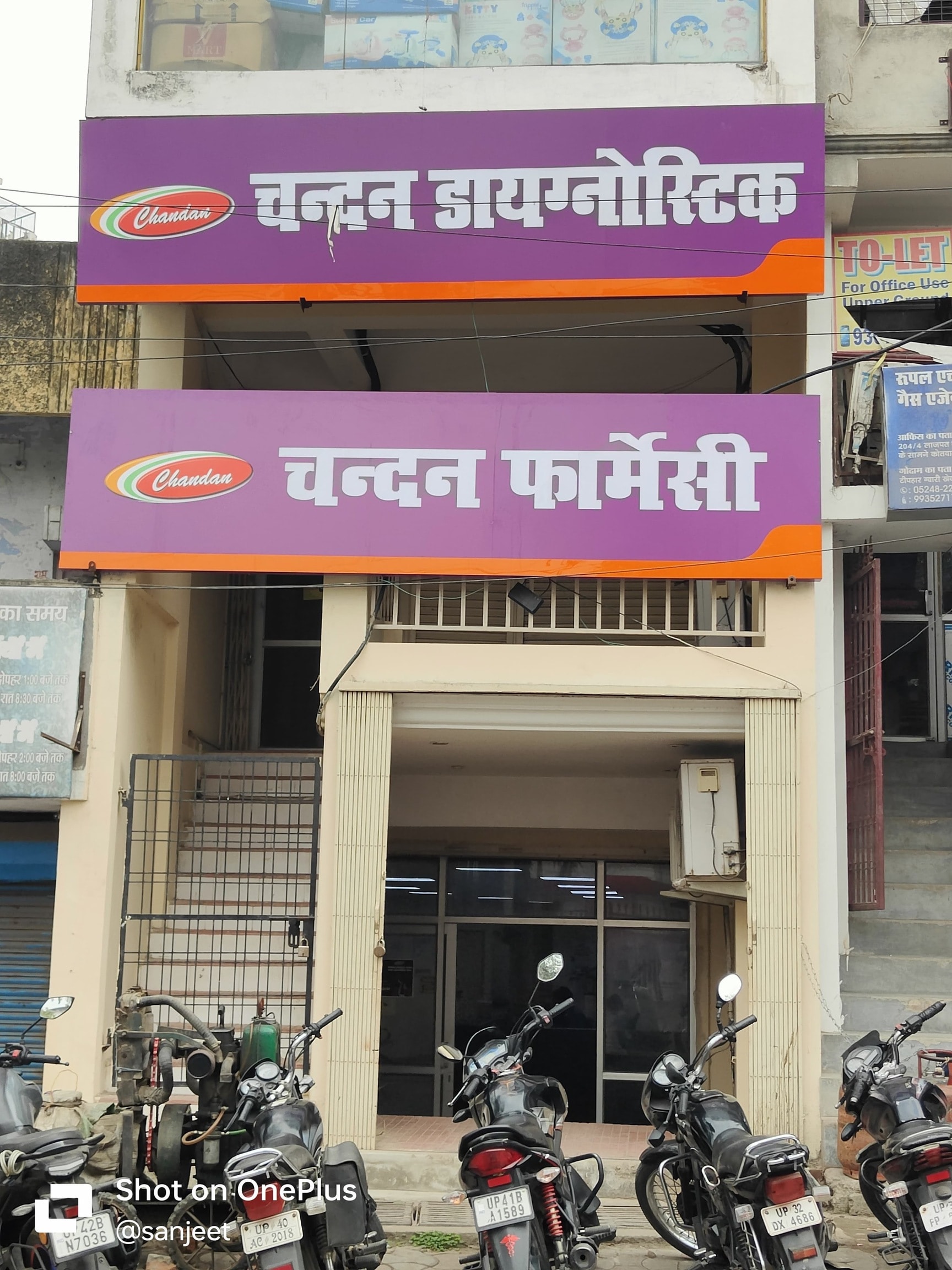
Chandan Diagnostic Center – Barabanki


Book by Health Concern
No tests available right now
 up to 50% off
Barabanki Trusted Diagnostic Partner

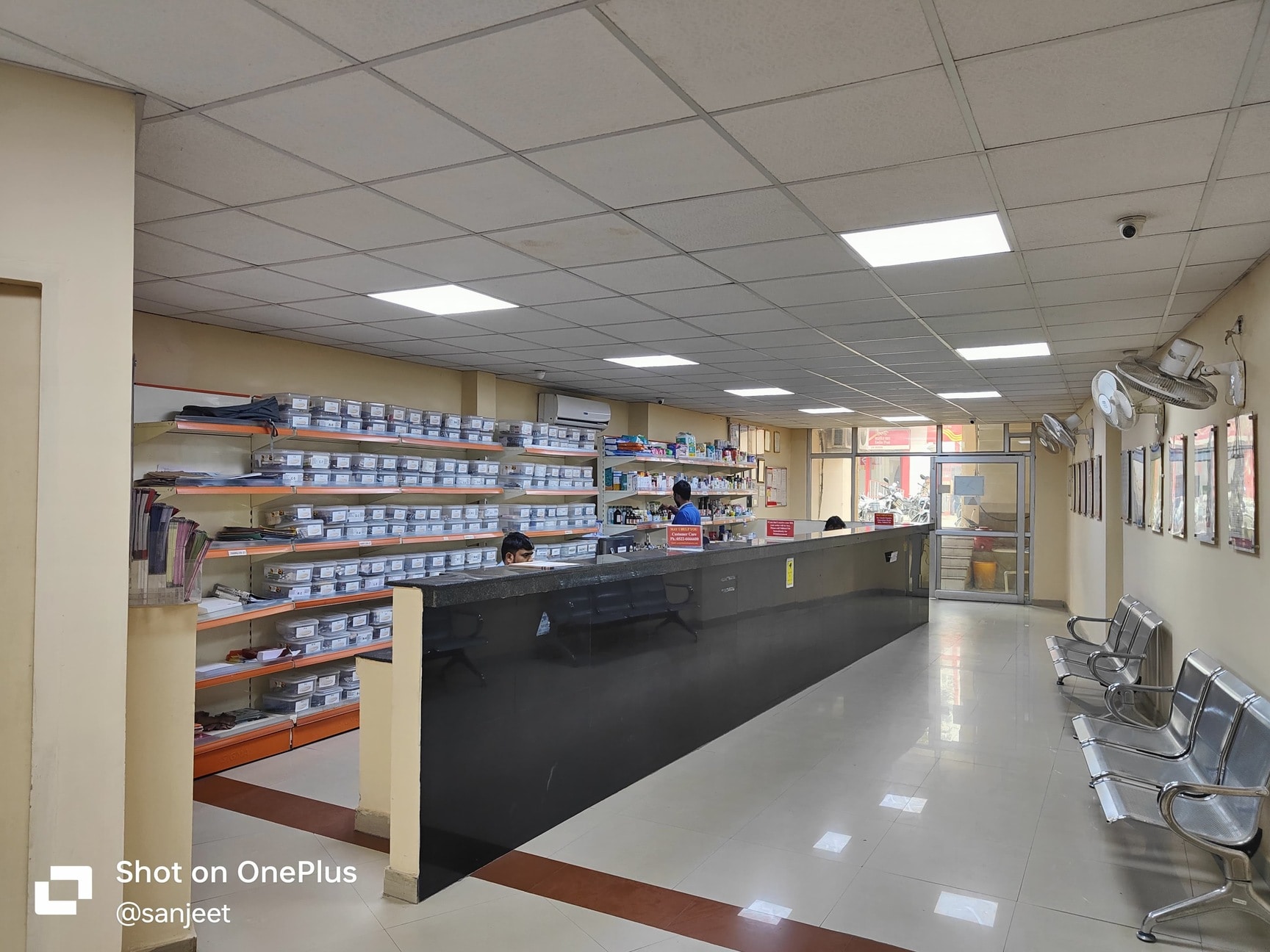
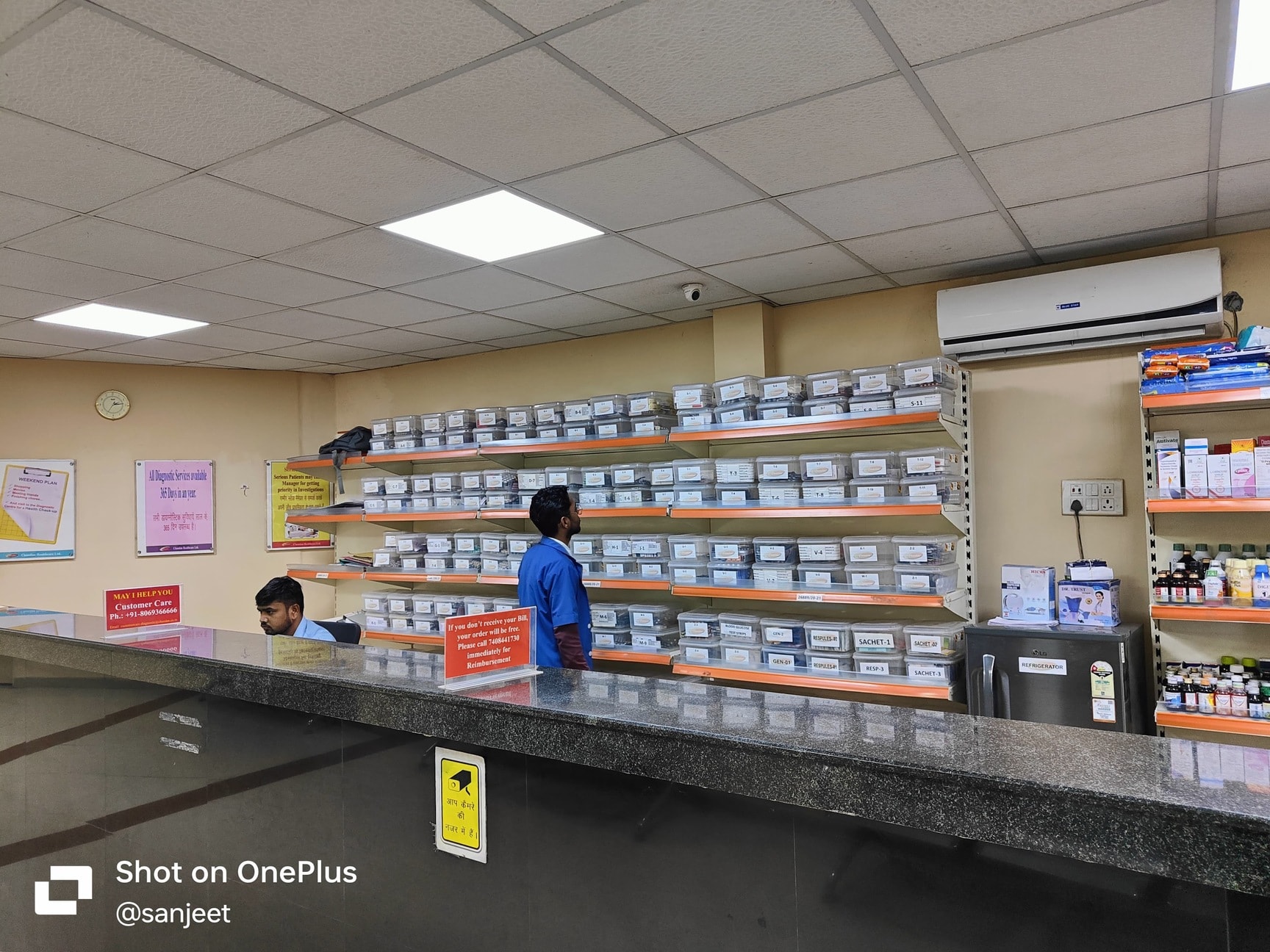
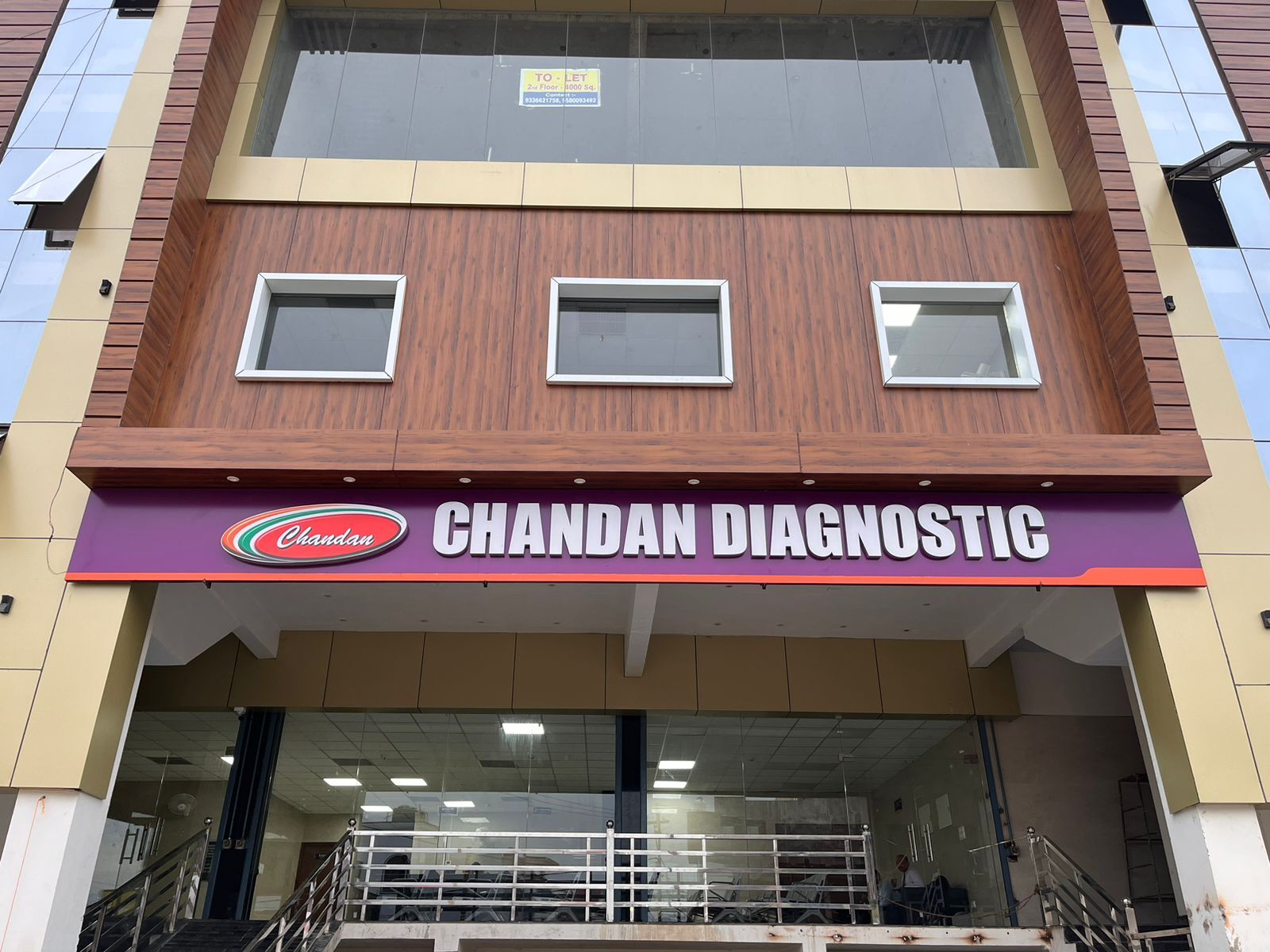
With a strong legacy of excellence in diagnostic services, we've become barabanki's preferred choice for accurate and reliable lab testing. Our state-of-the-art facility combines cutting-edge technology with experienced professionals.

Our Expert Team:
- Pathologist (MD)
- Lab Technicians (DMLT)
- Phlebotomists
- Home Collection Team
- Report Coordinator
3940+ Happy Users
Don't just take our words

"Practitioners in the Kotwali Road"Lajpat Nagar area refer patients to Chandan Diagnostic. The police station landmark and the Chandan chain quality drive consistent referrals in Barabanki." – Kavita Gupta (Pharmacist, Kotwali Road)
"Barabanki district court is near the Kotwali Road zone and the legal community uses Chandan Diagnostic for health monitoring. The Lajpat Nagar colony address is well-known."Anil Verma (Court Lawyer, Barabanki)
"Barabanki district is India's largest mentha (mint oil) producing district. Farmers from Nawabganj visiting Barabanki use Chandan Diagnostic for annual health monitoring."Suresh Tiwari (Mentha Farmer, Nawabganj)
"Chandan Diagnostic on Kotwali Road is my primary referral for outside testing in Barabanki. The Kotwali landmark and the chain quality make it the default referral here."Dr. Priya Shukla (Physician, Barabanki)
"Pregnant women from Ram Sanehi Ghat visiting Barabanki use Chandan Diagnostic on Kotwali Road for antenatal panels. The chain quality is trusted across the Lucknow"Barabanki corridor." – Poonam Devi (ASHA Worker, Ram Sanehi Ghat)
"Lajpat Nagar in Barabanki is a named residential colony and Chandan Diagnostic at 262 Lajpat Nagar is our neighbourhood lab. The chain quality from Lucknow is consistent here."Savita Devi (Homemaker, Lajpat Nagar)
"Bus drivers at the Barabanki depot use Chandan Diagnostic on Kotwali Road. The police station landmark makes it findable for all transport staff."Ramesh Kumar (UPSRTC Driver, Barabanki Depot)
"Suresh Kumar (District Government Employee, Barabanki): "Kotwali Road in Barabanki is where the district police headquarters is"a permanent civic landmark. Chandan Diagnostic in Lajpat Nagar here serves the government and commercial community of Barabanki.","faq_content":"1. Q: How does the Lajpat Nagar colony name — derived from the nationalist leader Lal Lajpat Rai — reflect the residential character of this zone? A: Lajpat Nagar is a common residential colony name across North India's cities, named after Lala Lajpat Rai (Sher-e-Punjab, the Tiger of Punjab) — one of the most respected freedom fighters of the independence movement. Colonies bearing this name were typically developed in the post-independence period for lower-middle-income government and service sector families, creating a specific community character of stable, long-term government employee residents.
"Q: How does this Chandan Barabanki branch serve patients who commute daily between Barabanki and Lucknow on the NH-27 corridor"a dense daily commuter belt? A: Barabanki is 30 km from Lucknow on NH-27 and has one of the densest daily commuter populations in UP — thousands of government and private sector employees travel daily between the two cities. The Chandan brand's Lucknow recognition creates immediate trust among Lucknow commuters who work in Barabanki, and vice versa.
"Q: What kala-azar and malaria testing is available given Barabanki's position in the Terai-adjacent Awadh belt? A: Barabanki district has periodic malaria transmission risk given its proximity to the Gomti river belt. Malaria peripheral smear, rapid antigen test (PfHRP-2/pan-malaria), and kala-azar rK39 testing are maintained as priority rapid tests during the June"October endemic season.
"Q: What test panels are relevant for the mentha oil distillation industry workers' occupational health monitoring in the Barabanki belt? A: Mentha distillation involves open-fire steam distillation with wood or biomass fuel"workers have respiratory exposure to wood smoke and menthol vapour. Respiratory health assessment (spirometry referral), liver function for solvent-adjacent exposure, and general annual fitness for the seasonal agricultural processing workforce are available.
"Q: How does Dewa Sharif"one of North India's most visited Sufi shrines — in Barabanki district create a pilgrimage healthcare demand? A: Dewa Sharif (the dargah of Hazrat Waris Ali Shah) draws hundreds of thousands of pilgrims annually from across India. Pilgrims visiting the shrine who experience illness during their visit, and the hospitality community serving Dewa Sharif's pilgrimage economy, access Barabanki's health facilities for medical care.
"Q: What does the Kotwali Road landmark"the district police headquarters — signify as a navigation anchor in Barabanki? A: The Kotwali (district police station) is the most permanent and universally known civic institution in any UP district town — it is the primary law enforcement reference that all residents, legal professionals, and government officials navigate to. 'Kotwali Road' or 'near Kotwali' is a direction that requires no further elaboration to any Barabanki resident or auto driver.
"Q: How does Barabanki's unique position as the largest Awadhi Muslim cultural hub adjacent to Lucknow shape the diagnostic centre's community context? A: Barabanki has a significant Muslim majority in several zones and is historically associated with Awadhi Muslim cultural traditions"Urdu literature, the Dewa Sharif dargah (a major Sufi pilgrimage site), and traditional weaving. The diagnostic centre communicates in Hindi and Urdu as standard languages and accommodates the religious community's specific cultural considerations for blood collection.
"Q: How does Barabanki's identity as the world's largest mentha (mint) oil producing district shape the health monitoring profile here? A: Barabanki district produces over 80% of India's mentha oil"making it the global capital of mint cultivation. The mentha farming community has specific occupational exposures from the mentha distillation process (steam distillation plants using open-fire heating) and the agricultural chemicals used in cultivation. The seasonal nature of mentha harvesting (June–July peak) creates specific health monitoring demand around the harvest period.
"Practitioners in the Kotwali Road"Lajpat Nagar area refer patients to Chandan Diagnostic. The police station landmark and the Chandan chain quality drive consistent referrals in Barabanki." – Kavita Gupta (Pharmacist, Kotwali Road)
"Barabanki district court is near the Kotwali Road zone and the legal community uses Chandan Diagnostic for health monitoring. The Lajpat Nagar colony address is well-known."Anil Verma (Court Lawyer, Barabanki)
"Barabanki district is India's largest mentha (mint oil) producing district. Farmers from Nawabganj visiting Barabanki use Chandan Diagnostic for annual health monitoring."Suresh Tiwari (Mentha Farmer, Nawabganj)
"Chandan Diagnostic on Kotwali Road is my primary referral for outside testing in Barabanki. The Kotwali landmark and the chain quality make it the default referral here."Dr. Priya Shukla (Physician, Barabanki)
"Pregnant women from Ram Sanehi Ghat visiting Barabanki use Chandan Diagnostic on Kotwali Road for antenatal panels. The chain quality is trusted across the Lucknow"Barabanki corridor." – Poonam Devi (ASHA Worker, Ram Sanehi Ghat)
"Lajpat Nagar in Barabanki is a named residential colony and Chandan Diagnostic at 262 Lajpat Nagar is our neighbourhood lab. The chain quality from Lucknow is consistent here."Savita Devi (Homemaker, Lajpat Nagar)
"Bus drivers at the Barabanki depot use Chandan Diagnostic on Kotwali Road. The police station landmark makes it findable for all transport staff."Ramesh Kumar (UPSRTC Driver, Barabanki Depot)
"Suresh Kumar (District Government Employee, Barabanki): "Kotwali Road in Barabanki is where the district police headquarters is"a permanent civic landmark. Chandan Diagnostic in Lajpat Nagar here serves the government and commercial community of Barabanki.","faq_content":"1. Q: How does the Lajpat Nagar colony name — derived from the nationalist leader Lal Lajpat Rai — reflect the residential character of this zone? A: Lajpat Nagar is a common residential colony name across North India's cities, named after Lala Lajpat Rai (Sher-e-Punjab, the Tiger of Punjab) — one of the most respected freedom fighters of the independence movement. Colonies bearing this name were typically developed in the post-independence period for lower-middle-income government and service sector families, creating a specific community character of stable, long-term government employee residents.
"Q: How does this Chandan Barabanki branch serve patients who commute daily between Barabanki and Lucknow on the NH-27 corridor"a dense daily commuter belt? A: Barabanki is 30 km from Lucknow on NH-27 and has one of the densest daily commuter populations in UP — thousands of government and private sector employees travel daily between the two cities. The Chandan brand's Lucknow recognition creates immediate trust among Lucknow commuters who work in Barabanki, and vice versa.
"Q: What kala-azar and malaria testing is available given Barabanki's position in the Terai-adjacent Awadh belt? A: Barabanki district has periodic malaria transmission risk given its proximity to the Gomti river belt. Malaria peripheral smear, rapid antigen test (PfHRP-2/pan-malaria), and kala-azar rK39 testing are maintained as priority rapid tests during the June"October endemic season.
"Q: What test panels are relevant for the mentha oil distillation industry workers' occupational health monitoring in the Barabanki belt? A: Mentha distillation involves open-fire steam distillation with wood or biomass fuel"workers have respiratory exposure to wood smoke and menthol vapour. Respiratory health assessment (spirometry referral), liver function for solvent-adjacent exposure, and general annual fitness for the seasonal agricultural processing workforce are available.
"Q: How does Dewa Sharif"one of North India's most visited Sufi shrines — in Barabanki district create a pilgrimage healthcare demand? A: Dewa Sharif (the dargah of Hazrat Waris Ali Shah) draws hundreds of thousands of pilgrims annually from across India. Pilgrims visiting the shrine who experience illness during their visit, and the hospitality community serving Dewa Sharif's pilgrimage economy, access Barabanki's health facilities for medical care.
"Q: What does the Kotwali Road landmark"the district police headquarters — signify as a navigation anchor in Barabanki? A: The Kotwali (district police station) is the most permanent and universally known civic institution in any UP district town — it is the primary law enforcement reference that all residents, legal professionals, and government officials navigate to. 'Kotwali Road' or 'near Kotwali' is a direction that requires no further elaboration to any Barabanki resident or auto driver.
"Q: How does Barabanki's unique position as the largest Awadhi Muslim cultural hub adjacent to Lucknow shape the diagnostic centre's community context? A: Barabanki has a significant Muslim majority in several zones and is historically associated with Awadhi Muslim cultural traditions"Urdu literature, the Dewa Sharif dargah (a major Sufi pilgrimage site), and traditional weaving. The diagnostic centre communicates in Hindi and Urdu as standard languages and accommodates the religious community's specific cultural considerations for blood collection.
"Q: How does Barabanki's identity as the world's largest mentha (mint) oil producing district shape the health monitoring profile here? A: Barabanki district produces over 80% of India's mentha oil"making it the global capital of mint cultivation. The mentha farming community has specific occupational exposures from the mentha distillation process (steam distillation plants using open-fire heating) and the agricultural chemicals used in cultivation. The seasonal nature of mentha harvesting (June–July peak) creates specific health monitoring demand around the harvest period.
"Practitioners in the Kotwali Road"Lajpat Nagar area refer patients to Chandan Diagnostic. The police station landmark and the Chandan chain quality drive consistent referrals in Barabanki." – Kavita Gupta (Pharmacist, Kotwali Road)
"Barabanki district court is near the Kotwali Road zone and the legal community uses Chandan Diagnostic for health monitoring. The Lajpat Nagar colony address is well-known."Anil Verma (Court Lawyer, Barabanki)
"Barabanki district is India's largest mentha (mint oil) producing district. Farmers from Nawabganj visiting Barabanki use Chandan Diagnostic for annual health monitoring."Suresh Tiwari (Mentha Farmer, Nawabganj)
"Chandan Diagnostic on Kotwali Road is my primary referral for outside testing in Barabanki. The Kotwali landmark and the chain quality make it the default referral here."Dr. Priya Shukla (Physician, Barabanki)
"Pregnant women from Ram Sanehi Ghat visiting Barabanki use Chandan Diagnostic on Kotwali Road for antenatal panels. The chain quality is trusted across the Lucknow"Barabanki corridor." – Poonam Devi (ASHA Worker, Ram Sanehi Ghat)
"Lajpat Nagar in Barabanki is a named residential colony and Chandan Diagnostic at 262 Lajpat Nagar is our neighbourhood lab. The chain quality from Lucknow is consistent here."Savita Devi (Homemaker, Lajpat Nagar)
"Bus drivers at the Barabanki depot use Chandan Diagnostic on Kotwali Road. The police station landmark makes it findable for all transport staff."Ramesh Kumar (UPSRTC Driver, Barabanki Depot)
"Suresh Kumar (District Government Employee, Barabanki): "Kotwali Road in Barabanki is where the district police headquarters is"a permanent civic landmark. Chandan Diagnostic in Lajpat Nagar here serves the government and commercial community of Barabanki.","faq_content":"1. Q: How does the Lajpat Nagar colony name — derived from the nationalist leader Lal Lajpat Rai — reflect the residential character of this zone? A: Lajpat Nagar is a common residential colony name across North India's cities, named after Lala Lajpat Rai (Sher-e-Punjab, the Tiger of Punjab) — one of the most respected freedom fighters of the independence movement. Colonies bearing this name were typically developed in the post-independence period for lower-middle-income government and service sector families, creating a specific community character of stable, long-term government employee residents.
"Q: How does this Chandan Barabanki branch serve patients who commute daily between Barabanki and Lucknow on the NH-27 corridor"a dense daily commuter belt? A: Barabanki is 30 km from Lucknow on NH-27 and has one of the densest daily commuter populations in UP — thousands of government and private sector employees travel daily between the two cities. The Chandan brand's Lucknow recognition creates immediate trust among Lucknow commuters who work in Barabanki, and vice versa.
"Q: What kala-azar and malaria testing is available given Barabanki's position in the Terai-adjacent Awadh belt? A: Barabanki district has periodic malaria transmission risk given its proximity to the Gomti river belt. Malaria peripheral smear, rapid antigen test (PfHRP-2/pan-malaria), and kala-azar rK39 testing are maintained as priority rapid tests during the June"October endemic season.
"Q: What test panels are relevant for the mentha oil distillation industry workers' occupational health monitoring in the Barabanki belt? A: Mentha distillation involves open-fire steam distillation with wood or biomass fuel"workers have respiratory exposure to wood smoke and menthol vapour. Respiratory health assessment (spirometry referral), liver function for solvent-adjacent exposure, and general annual fitness for the seasonal agricultural processing workforce are available.
"Q: How does Dewa Sharif"one of North India's most visited Sufi shrines — in Barabanki district create a pilgrimage healthcare demand? A: Dewa Sharif (the dargah of Hazrat Waris Ali Shah) draws hundreds of thousands of pilgrims annually from across India. Pilgrims visiting the shrine who experience illness during their visit, and the hospitality community serving Dewa Sharif's pilgrimage economy, access Barabanki's health facilities for medical care.
"Q: What does the Kotwali Road landmark"the district police headquarters — signify as a navigation anchor in Barabanki? A: The Kotwali (district police station) is the most permanent and universally known civic institution in any UP district town — it is the primary law enforcement reference that all residents, legal professionals, and government officials navigate to. 'Kotwali Road' or 'near Kotwali' is a direction that requires no further elaboration to any Barabanki resident or auto driver.
"Q: How does Barabanki's unique position as the largest Awadhi Muslim cultural hub adjacent to Lucknow shape the diagnostic centre's community context? A: Barabanki has a significant Muslim majority in several zones and is historically associated with Awadhi Muslim cultural traditions"Urdu literature, the Dewa Sharif dargah (a major Sufi pilgrimage site), and traditional weaving. The diagnostic centre communicates in Hindi and Urdu as standard languages and accommodates the religious community's specific cultural considerations for blood collection.
"Q: How does Barabanki's identity as the world's largest mentha (mint) oil producing district shape the health monitoring profile here? A: Barabanki district produces over 80% of India's mentha oil"making it the global capital of mint cultivation. The mentha farming community has specific occupational exposures from the mentha distillation process (steam distillation plants using open-fire heating) and the agricultural chemicals used in cultivation. The seasonal nature of mentha harvesting (June–July peak) creates specific health monitoring demand around the harvest period.
"Practitioners in the Kotwali Road"Lajpat Nagar area refer patients to Chandan Diagnostic. The police station landmark and the Chandan chain quality drive consistent referrals in Barabanki." – Kavita Gupta (Pharmacist, Kotwali Road)
"Barabanki district court is near the Kotwali Road zone and the legal community uses Chandan Diagnostic for health monitoring. The Lajpat Nagar colony address is well-known."Anil Verma (Court Lawyer, Barabanki)
"Barabanki district is India's largest mentha (mint oil) producing district. Farmers from Nawabganj visiting Barabanki use Chandan Diagnostic for annual health monitoring."Suresh Tiwari (Mentha Farmer, Nawabganj)
"Chandan Diagnostic on Kotwali Road is my primary referral for outside testing in Barabanki. The Kotwali landmark and the chain quality make it the default referral here."Dr. Priya Shukla (Physician, Barabanki)
"Pregnant women from Ram Sanehi Ghat visiting Barabanki use Chandan Diagnostic on Kotwali Road for antenatal panels. The chain quality is trusted across the Lucknow"Barabanki corridor." – Poonam Devi (ASHA Worker, Ram Sanehi Ghat)
"Lajpat Nagar in Barabanki is a named residential colony and Chandan Diagnostic at 262 Lajpat Nagar is our neighbourhood lab. The chain quality from Lucknow is consistent here."Savita Devi (Homemaker, Lajpat Nagar)
"Bus drivers at the Barabanki depot use Chandan Diagnostic on Kotwali Road. The police station landmark makes it findable for all transport staff."Ramesh Kumar (UPSRTC Driver, Barabanki Depot)
"Suresh Kumar (District Government Employee, Barabanki): "Kotwali Road in Barabanki is where the district police headquarters is"a permanent civic landmark. Chandan Diagnostic in Lajpat Nagar here serves the government and commercial community of Barabanki.","faq_content":"1. Q: How does the Lajpat Nagar colony name — derived from the nationalist leader Lal Lajpat Rai — reflect the residential character of this zone? A: Lajpat Nagar is a common residential colony name across North India's cities, named after Lala Lajpat Rai (Sher-e-Punjab, the Tiger of Punjab) — one of the most respected freedom fighters of the independence movement. Colonies bearing this name were typically developed in the post-independence period for lower-middle-income government and service sector families, creating a specific community character of stable, long-term government employee residents.
"Q: How does this Chandan Barabanki branch serve patients who commute daily between Barabanki and Lucknow on the NH-27 corridor"a dense daily commuter belt? A: Barabanki is 30 km from Lucknow on NH-27 and has one of the densest daily commuter populations in UP — thousands of government and private sector employees travel daily between the two cities. The Chandan brand's Lucknow recognition creates immediate trust among Lucknow commuters who work in Barabanki, and vice versa.
"Q: What kala-azar and malaria testing is available given Barabanki's position in the Terai-adjacent Awadh belt? A: Barabanki district has periodic malaria transmission risk given its proximity to the Gomti river belt. Malaria peripheral smear, rapid antigen test (PfHRP-2/pan-malaria), and kala-azar rK39 testing are maintained as priority rapid tests during the June"October endemic season.
"Q: What test panels are relevant for the mentha oil distillation industry workers' occupational health monitoring in the Barabanki belt? A: Mentha distillation involves open-fire steam distillation with wood or biomass fuel"workers have respiratory exposure to wood smoke and menthol vapour. Respiratory health assessment (spirometry referral), liver function for solvent-adjacent exposure, and general annual fitness for the seasonal agricultural processing workforce are available.
"Q: How does Dewa Sharif"one of North India's most visited Sufi shrines — in Barabanki district create a pilgrimage healthcare demand? A: Dewa Sharif (the dargah of Hazrat Waris Ali Shah) draws hundreds of thousands of pilgrims annually from across India. Pilgrims visiting the shrine who experience illness during their visit, and the hospitality community serving Dewa Sharif's pilgrimage economy, access Barabanki's health facilities for medical care.
"Q: What does the Kotwali Road landmark"the district police headquarters — signify as a navigation anchor in Barabanki? A: The Kotwali (district police station) is the most permanent and universally known civic institution in any UP district town — it is the primary law enforcement reference that all residents, legal professionals, and government officials navigate to. 'Kotwali Road' or 'near Kotwali' is a direction that requires no further elaboration to any Barabanki resident or auto driver.
"Q: How does Barabanki's unique position as the largest Awadhi Muslim cultural hub adjacent to Lucknow shape the diagnostic centre's community context? A: Barabanki has a significant Muslim majority in several zones and is historically associated with Awadhi Muslim cultural traditions"Urdu literature, the Dewa Sharif dargah (a major Sufi pilgrimage site), and traditional weaving. The diagnostic centre communicates in Hindi and Urdu as standard languages and accommodates the religious community's specific cultural considerations for blood collection.
"Q: How does Barabanki's identity as the world's largest mentha (mint) oil producing district shape the health monitoring profile here? A: Barabanki district produces over 80% of India's mentha oil"making it the global capital of mint cultivation. The mentha farming community has specific occupational exposures from the mentha distillation process (steam distillation plants using open-fire heating) and the agricultural chemicals used in cultivation. The seasonal nature of mentha harvesting (June–July peak) creates specific health monitoring demand around the harvest period.
"Practitioners in the Kotwali Road"Lajpat Nagar area refer patients to Chandan Diagnostic. The police station landmark and the Chandan chain quality drive consistent referrals in Barabanki." – Kavita Gupta (Pharmacist, Kotwali Road)
"Barabanki district court is near the Kotwali Road zone and the legal community uses Chandan Diagnostic for health monitoring. The Lajpat Nagar colony address is well-known."Anil Verma (Court Lawyer, Barabanki)
"Barabanki district is India's largest mentha (mint oil) producing district. Farmers from Nawabganj visiting Barabanki use Chandan Diagnostic for annual health monitoring."Suresh Tiwari (Mentha Farmer, Nawabganj)
"Chandan Diagnostic on Kotwali Road is my primary referral for outside testing in Barabanki. The Kotwali landmark and the chain quality make it the default referral here."Dr. Priya Shukla (Physician, Barabanki)
"Pregnant women from Ram Sanehi Ghat visiting Barabanki use Chandan Diagnostic on Kotwali Road for antenatal panels. The chain quality is trusted across the Lucknow"Barabanki corridor." – Poonam Devi (ASHA Worker, Ram Sanehi Ghat)
"Lajpat Nagar in Barabanki is a named residential colony and Chandan Diagnostic at 262 Lajpat Nagar is our neighbourhood lab. The chain quality from Lucknow is consistent here."Savita Devi (Homemaker, Lajpat Nagar)
"Bus drivers at the Barabanki depot use Chandan Diagnostic on Kotwali Road. The police station landmark makes it findable for all transport staff."Ramesh Kumar (UPSRTC Driver, Barabanki Depot)
"Suresh Kumar (District Government Employee, Barabanki): "Kotwali Road in Barabanki is where the district police headquarters is"a permanent civic landmark. Chandan Diagnostic in Lajpat Nagar here serves the government and commercial community of Barabanki.","faq_content":"1. Q: How does the Lajpat Nagar colony name — derived from the nationalist leader Lal Lajpat Rai — reflect the residential character of this zone? A: Lajpat Nagar is a common residential colony name across North India's cities, named after Lala Lajpat Rai (Sher-e-Punjab, the Tiger of Punjab) — one of the most respected freedom fighters of the independence movement. Colonies bearing this name were typically developed in the post-independence period for lower-middle-income government and service sector families, creating a specific community character of stable, long-term government employee residents.
"Q: How does this Chandan Barabanki branch serve patients who commute daily between Barabanki and Lucknow on the NH-27 corridor"a dense daily commuter belt? A: Barabanki is 30 km from Lucknow on NH-27 and has one of the densest daily commuter populations in UP — thousands of government and private sector employees travel daily between the two cities. The Chandan brand's Lucknow recognition creates immediate trust among Lucknow commuters who work in Barabanki, and vice versa.
"Q: What kala-azar and malaria testing is available given Barabanki's position in the Terai-adjacent Awadh belt? A: Barabanki district has periodic malaria transmission risk given its proximity to the Gomti river belt. Malaria peripheral smear, rapid antigen test (PfHRP-2/pan-malaria), and kala-azar rK39 testing are maintained as priority rapid tests during the June"October endemic season.
"Q: What test panels are relevant for the mentha oil distillation industry workers' occupational health monitoring in the Barabanki belt? A: Mentha distillation involves open-fire steam distillation with wood or biomass fuel"workers have respiratory exposure to wood smoke and menthol vapour. Respiratory health assessment (spirometry referral), liver function for solvent-adjacent exposure, and general annual fitness for the seasonal agricultural processing workforce are available.
"Q: How does Dewa Sharif"one of North India's most visited Sufi shrines — in Barabanki district create a pilgrimage healthcare demand? A: Dewa Sharif (the dargah of Hazrat Waris Ali Shah) draws hundreds of thousands of pilgrims annually from across India. Pilgrims visiting the shrine who experience illness during their visit, and the hospitality community serving Dewa Sharif's pilgrimage economy, access Barabanki's health facilities for medical care.
"Q: What does the Kotwali Road landmark"the district police headquarters — signify as a navigation anchor in Barabanki? A: The Kotwali (district police station) is the most permanent and universally known civic institution in any UP district town — it is the primary law enforcement reference that all residents, legal professionals, and government officials navigate to. 'Kotwali Road' or 'near Kotwali' is a direction that requires no further elaboration to any Barabanki resident or auto driver.
"Q: How does Barabanki's unique position as the largest Awadhi Muslim cultural hub adjacent to Lucknow shape the diagnostic centre's community context? A: Barabanki has a significant Muslim majority in several zones and is historically associated with Awadhi Muslim cultural traditions"Urdu literature, the Dewa Sharif dargah (a major Sufi pilgrimage site), and traditional weaving. The diagnostic centre communicates in Hindi and Urdu as standard languages and accommodates the religious community's specific cultural considerations for blood collection.
"Q: How does Barabanki's identity as the world's largest mentha (mint) oil producing district shape the health monitoring profile here? A: Barabanki district produces over 80% of India's mentha oil"making it the global capital of mint cultivation. The mentha farming community has specific occupational exposures from the mentha distillation process (steam distillation plants using open-fire heating) and the agricultural chemicals used in cultivation. The seasonal nature of mentha harvesting (June–July peak) creates specific health monitoring demand around the harvest period.
"Practitioners in the Kotwali Road"Lajpat Nagar area refer patients to Chandan Diagnostic. The police station landmark and the Chandan chain quality drive consistent referrals in Barabanki." – Kavita Gupta (Pharmacist, Kotwali Road)
"Barabanki district court is near the Kotwali Road zone and the legal community uses Chandan Diagnostic for health monitoring. The Lajpat Nagar colony address is well-known."Anil Verma (Court Lawyer, Barabanki)
"Barabanki district is India's largest mentha (mint oil) producing district. Farmers from Nawabganj visiting Barabanki use Chandan Diagnostic for annual health monitoring."Suresh Tiwari (Mentha Farmer, Nawabganj)
"Chandan Diagnostic on Kotwali Road is my primary referral for outside testing in Barabanki. The Kotwali landmark and the chain quality make it the default referral here."Dr. Priya Shukla (Physician, Barabanki)
"Pregnant women from Ram Sanehi Ghat visiting Barabanki use Chandan Diagnostic on Kotwali Road for antenatal panels. The chain quality is trusted across the Lucknow"Barabanki corridor." – Poonam Devi (ASHA Worker, Ram Sanehi Ghat)
"Lajpat Nagar in Barabanki is a named residential colony and Chandan Diagnostic at 262 Lajpat Nagar is our neighbourhood lab. The chain quality from Lucknow is consistent here."Savita Devi (Homemaker, Lajpat Nagar)
"Bus drivers at the Barabanki depot use Chandan Diagnostic on Kotwali Road. The police station landmark makes it findable for all transport staff."Ramesh Kumar (UPSRTC Driver, Barabanki Depot)
"Suresh Kumar (District Government Employee, Barabanki): "Kotwali Road in Barabanki is where the district police headquarters is"a permanent civic landmark. Chandan Diagnostic in Lajpat Nagar here serves the government and commercial community of Barabanki.","faq_content":"1. Q: How does the Lajpat Nagar colony name — derived from the nationalist leader Lal Lajpat Rai — reflect the residential character of this zone? A: Lajpat Nagar is a common residential colony name across North India's cities, named after Lala Lajpat Rai (Sher-e-Punjab, the Tiger of Punjab) — one of the most respected freedom fighters of the independence movement. Colonies bearing this name were typically developed in the post-independence period for lower-middle-income government and service sector families, creating a specific community character of stable, long-term government employee residents.
"Q: How does this Chandan Barabanki branch serve patients who commute daily between Barabanki and Lucknow on the NH-27 corridor"a dense daily commuter belt? A: Barabanki is 30 km from Lucknow on NH-27 and has one of the densest daily commuter populations in UP — thousands of government and private sector employees travel daily between the two cities. The Chandan brand's Lucknow recognition creates immediate trust among Lucknow commuters who work in Barabanki, and vice versa.
"Q: What kala-azar and malaria testing is available given Barabanki's position in the Terai-adjacent Awadh belt? A: Barabanki district has periodic malaria transmission risk given its proximity to the Gomti river belt. Malaria peripheral smear, rapid antigen test (PfHRP-2/pan-malaria), and kala-azar rK39 testing are maintained as priority rapid tests during the June"October endemic season.
"Q: What test panels are relevant for the mentha oil distillation industry workers' occupational health monitoring in the Barabanki belt? A: Mentha distillation involves open-fire steam distillation with wood or biomass fuel"workers have respiratory exposure to wood smoke and menthol vapour. Respiratory health assessment (spirometry referral), liver function for solvent-adjacent exposure, and general annual fitness for the seasonal agricultural processing workforce are available.
"Q: How does Dewa Sharif"one of North India's most visited Sufi shrines — in Barabanki district create a pilgrimage healthcare demand? A: Dewa Sharif (the dargah of Hazrat Waris Ali Shah) draws hundreds of thousands of pilgrims annually from across India. Pilgrims visiting the shrine who experience illness during their visit, and the hospitality community serving Dewa Sharif's pilgrimage economy, access Barabanki's health facilities for medical care.
"Q: What does the Kotwali Road landmark"the district police headquarters — signify as a navigation anchor in Barabanki? A: The Kotwali (district police station) is the most permanent and universally known civic institution in any UP district town — it is the primary law enforcement reference that all residents, legal professionals, and government officials navigate to. 'Kotwali Road' or 'near Kotwali' is a direction that requires no further elaboration to any Barabanki resident or auto driver.
"Q: How does Barabanki's unique position as the largest Awadhi Muslim cultural hub adjacent to Lucknow shape the diagnostic centre's community context? A: Barabanki has a significant Muslim majority in several zones and is historically associated with Awadhi Muslim cultural traditions"Urdu literature, the Dewa Sharif dargah (a major Sufi pilgrimage site), and traditional weaving. The diagnostic centre communicates in Hindi and Urdu as standard languages and accommodates the religious community's specific cultural considerations for blood collection.
"Q: How does Barabanki's identity as the world's largest mentha (mint) oil producing district shape the health monitoring profile here? A: Barabanki district produces over 80% of India's mentha oil"making it the global capital of mint cultivation. The mentha farming community has specific occupational exposures from the mentha distillation process (steam distillation plants using open-fire heating) and the agricultural chemicals used in cultivation. The seasonal nature of mentha harvesting (June–July peak) creates specific health monitoring demand around the harvest period.
"Practitioners in the Kotwali Road"Lajpat Nagar area refer patients to Chandan Diagnostic. The police station landmark and the Chandan chain quality drive consistent referrals in Barabanki." – Kavita Gupta (Pharmacist, Kotwali Road)
"Barabanki district court is near the Kotwali Road zone and the legal community uses Chandan Diagnostic for health monitoring. The Lajpat Nagar colony address is well-known."Anil Verma (Court Lawyer, Barabanki)
"Barabanki district is India's largest mentha (mint oil) producing district. Farmers from Nawabganj visiting Barabanki use Chandan Diagnostic for annual health monitoring."Suresh Tiwari (Mentha Farmer, Nawabganj)
"Chandan Diagnostic on Kotwali Road is my primary referral for outside testing in Barabanki. The Kotwali landmark and the chain quality make it the default referral here."Dr. Priya Shukla (Physician, Barabanki)
"Pregnant women from Ram Sanehi Ghat visiting Barabanki use Chandan Diagnostic on Kotwali Road for antenatal panels. The chain quality is trusted across the Lucknow"Barabanki corridor." – Poonam Devi (ASHA Worker, Ram Sanehi Ghat)
"Lajpat Nagar in Barabanki is a named residential colony and Chandan Diagnostic at 262 Lajpat Nagar is our neighbourhood lab. The chain quality from Lucknow is consistent here."Savita Devi (Homemaker, Lajpat Nagar)
"Bus drivers at the Barabanki depot use Chandan Diagnostic on Kotwali Road. The police station landmark makes it findable for all transport staff."Ramesh Kumar (UPSRTC Driver, Barabanki Depot)
"Suresh Kumar (District Government Employee, Barabanki): "Kotwali Road in Barabanki is where the district police headquarters is"a permanent civic landmark. Chandan Diagnostic in Lajpat Nagar here serves the government and commercial community of Barabanki.","faq_content":"1. Q: How does the Lajpat Nagar colony name — derived from the nationalist leader Lal Lajpat Rai — reflect the residential character of this zone? A: Lajpat Nagar is a common residential colony name across North India's cities, named after Lala Lajpat Rai (Sher-e-Punjab, the Tiger of Punjab) — one of the most respected freedom fighters of the independence movement. Colonies bearing this name were typically developed in the post-independence period for lower-middle-income government and service sector families, creating a specific community character of stable, long-term government employee residents.
"Q: How does this Chandan Barabanki branch serve patients who commute daily between Barabanki and Lucknow on the NH-27 corridor"a dense daily commuter belt? A: Barabanki is 30 km from Lucknow on NH-27 and has one of the densest daily commuter populations in UP — thousands of government and private sector employees travel daily between the two cities. The Chandan brand's Lucknow recognition creates immediate trust among Lucknow commuters who work in Barabanki, and vice versa.
"Q: What kala-azar and malaria testing is available given Barabanki's position in the Terai-adjacent Awadh belt? A: Barabanki district has periodic malaria transmission risk given its proximity to the Gomti river belt. Malaria peripheral smear, rapid antigen test (PfHRP-2/pan-malaria), and kala-azar rK39 testing are maintained as priority rapid tests during the June"October endemic season.
"Q: What test panels are relevant for the mentha oil distillation industry workers' occupational health monitoring in the Barabanki belt? A: Mentha distillation involves open-fire steam distillation with wood or biomass fuel"workers have respiratory exposure to wood smoke and menthol vapour. Respiratory health assessment (spirometry referral), liver function for solvent-adjacent exposure, and general annual fitness for the seasonal agricultural processing workforce are available.
"Q: How does Dewa Sharif"one of North India's most visited Sufi shrines — in Barabanki district create a pilgrimage healthcare demand? A: Dewa Sharif (the dargah of Hazrat Waris Ali Shah) draws hundreds of thousands of pilgrims annually from across India. Pilgrims visiting the shrine who experience illness during their visit, and the hospitality community serving Dewa Sharif's pilgrimage economy, access Barabanki's health facilities for medical care.
"Q: What does the Kotwali Road landmark"the district police headquarters — signify as a navigation anchor in Barabanki? A: The Kotwali (district police station) is the most permanent and universally known civic institution in any UP district town — it is the primary law enforcement reference that all residents, legal professionals, and government officials navigate to. 'Kotwali Road' or 'near Kotwali' is a direction that requires no further elaboration to any Barabanki resident or auto driver.
"Q: How does Barabanki's unique position as the largest Awadhi Muslim cultural hub adjacent to Lucknow shape the diagnostic centre's community context? A: Barabanki has a significant Muslim majority in several zones and is historically associated with Awadhi Muslim cultural traditions"Urdu literature, the Dewa Sharif dargah (a major Sufi pilgrimage site), and traditional weaving. The diagnostic centre communicates in Hindi and Urdu as standard languages and accommodates the religious community's specific cultural considerations for blood collection.
"Q: How does Barabanki's identity as the world's largest mentha (mint) oil producing district shape the health monitoring profile here? A: Barabanki district produces over 80% of India's mentha oil"making it the global capital of mint cultivation. The mentha farming community has specific occupational exposures from the mentha distillation process (steam distillation plants using open-fire heating) and the agricultural chemicals used in cultivation. The seasonal nature of mentha harvesting (June–July peak) creates specific health monitoring demand around the harvest period.
"Practitioners in the Kotwali Road"Lajpat Nagar area refer patients to Chandan Diagnostic. The police station landmark and the Chandan chain quality drive consistent referrals in Barabanki." – Kavita Gupta (Pharmacist, Kotwali Road)
"Barabanki district court is near the Kotwali Road zone and the legal community uses Chandan Diagnostic for health monitoring. The Lajpat Nagar colony address is well-known."Anil Verma (Court Lawyer, Barabanki)
"Barabanki district is India's largest mentha (mint oil) producing district. Farmers from Nawabganj visiting Barabanki use Chandan Diagnostic for annual health monitoring."Suresh Tiwari (Mentha Farmer, Nawabganj)
"Chandan Diagnostic on Kotwali Road is my primary referral for outside testing in Barabanki. The Kotwali landmark and the chain quality make it the default referral here."Dr. Priya Shukla (Physician, Barabanki)
"Pregnant women from Ram Sanehi Ghat visiting Barabanki use Chandan Diagnostic on Kotwali Road for antenatal panels. The chain quality is trusted across the Lucknow"Barabanki corridor." – Poonam Devi (ASHA Worker, Ram Sanehi Ghat)
"Lajpat Nagar in Barabanki is a named residential colony and Chandan Diagnostic at 262 Lajpat Nagar is our neighbourhood lab. The chain quality from Lucknow is consistent here."Savita Devi (Homemaker, Lajpat Nagar)
"Bus drivers at the Barabanki depot use Chandan Diagnostic on Kotwali Road. The police station landmark makes it findable for all transport staff."Ramesh Kumar (UPSRTC Driver, Barabanki Depot)
"Suresh Kumar (District Government Employee, Barabanki): "Kotwali Road in Barabanki is where the district police headquarters is"a permanent civic landmark. Chandan Diagnostic in Lajpat Nagar here serves the government and commercial community of Barabanki.","faq_content":"1. Q: How does the Lajpat Nagar colony name — derived from the nationalist leader Lal Lajpat Rai — reflect the residential character of this zone? A: Lajpat Nagar is a common residential colony name across North India's cities, named after Lala Lajpat Rai (Sher-e-Punjab, the Tiger of Punjab) — one of the most respected freedom fighters of the independence movement. Colonies bearing this name were typically developed in the post-independence period for lower-middle-income government and service sector families, creating a specific community character of stable, long-term government employee residents.
"Q: How does this Chandan Barabanki branch serve patients who commute daily between Barabanki and Lucknow on the NH-27 corridor"a dense daily commuter belt? A: Barabanki is 30 km from Lucknow on NH-27 and has one of the densest daily commuter populations in UP — thousands of government and private sector employees travel daily between the two cities. The Chandan brand's Lucknow recognition creates immediate trust among Lucknow commuters who work in Barabanki, and vice versa.
"Q: What kala-azar and malaria testing is available given Barabanki's position in the Terai-adjacent Awadh belt? A: Barabanki district has periodic malaria transmission risk given its proximity to the Gomti river belt. Malaria peripheral smear, rapid antigen test (PfHRP-2/pan-malaria), and kala-azar rK39 testing are maintained as priority rapid tests during the June"October endemic season.
"Q: What test panels are relevant for the mentha oil distillation industry workers' occupational health monitoring in the Barabanki belt? A: Mentha distillation involves open-fire steam distillation with wood or biomass fuel"workers have respiratory exposure to wood smoke and menthol vapour. Respiratory health assessment (spirometry referral), liver function for solvent-adjacent exposure, and general annual fitness for the seasonal agricultural processing workforce are available.
"Q: How does Dewa Sharif"one of North India's most visited Sufi shrines — in Barabanki district create a pilgrimage healthcare demand? A: Dewa Sharif (the dargah of Hazrat Waris Ali Shah) draws hundreds of thousands of pilgrims annually from across India. Pilgrims visiting the shrine who experience illness during their visit, and the hospitality community serving Dewa Sharif's pilgrimage economy, access Barabanki's health facilities for medical care.
"Q: What does the Kotwali Road landmark"the district police headquarters — signify as a navigation anchor in Barabanki? A: The Kotwali (district police station) is the most permanent and universally known civic institution in any UP district town — it is the primary law enforcement reference that all residents, legal professionals, and government officials navigate to. 'Kotwali Road' or 'near Kotwali' is a direction that requires no further elaboration to any Barabanki resident or auto driver.
"Q: How does Barabanki's unique position as the largest Awadhi Muslim cultural hub adjacent to Lucknow shape the diagnostic centre's community context? A: Barabanki has a significant Muslim majority in several zones and is historically associated with Awadhi Muslim cultural traditions"Urdu literature, the Dewa Sharif dargah (a major Sufi pilgrimage site), and traditional weaving. The diagnostic centre communicates in Hindi and Urdu as standard languages and accommodates the religious community's specific cultural considerations for blood collection.
"Q: How does Barabanki's identity as the world's largest mentha (mint) oil producing district shape the health monitoring profile here? A: Barabanki district produces over 80% of India's mentha oil"making it the global capital of mint cultivation. The mentha farming community has specific occupational exposures from the mentha distillation process (steam distillation plants using open-fire heating) and the agricultural chemicals used in cultivation. The seasonal nature of mentha harvesting (June–July peak) creates specific health monitoring demand around the harvest period.
"Practitioners in the Kotwali Road"Lajpat Nagar area refer patients to Chandan Diagnostic. The police station landmark and the Chandan chain quality drive consistent referrals in Barabanki." – Kavita Gupta (Pharmacist, Kotwali Road)
"Barabanki district court is near the Kotwali Road zone and the legal community uses Chandan Diagnostic for health monitoring. The Lajpat Nagar colony address is well-known."Anil Verma (Court Lawyer, Barabanki)
"Barabanki district is India's largest mentha (mint oil) producing district. Farmers from Nawabganj visiting Barabanki use Chandan Diagnostic for annual health monitoring."Suresh Tiwari (Mentha Farmer, Nawabganj)
"Chandan Diagnostic on Kotwali Road is my primary referral for outside testing in Barabanki. The Kotwali landmark and the chain quality make it the default referral here."Dr. Priya Shukla (Physician, Barabanki)
"Pregnant women from Ram Sanehi Ghat visiting Barabanki use Chandan Diagnostic on Kotwali Road for antenatal panels. The chain quality is trusted across the Lucknow"Barabanki corridor." – Poonam Devi (ASHA Worker, Ram Sanehi Ghat)
"Lajpat Nagar in Barabanki is a named residential colony and Chandan Diagnostic at 262 Lajpat Nagar is our neighbourhood lab. The chain quality from Lucknow is consistent here."Savita Devi (Homemaker, Lajpat Nagar)
"Bus drivers at the Barabanki depot use Chandan Diagnostic on Kotwali Road. The police station landmark makes it findable for all transport staff."Ramesh Kumar (UPSRTC Driver, Barabanki Depot)
"Suresh Kumar (District Government Employee, Barabanki): "Kotwali Road in Barabanki is where the district police headquarters is"a permanent civic landmark. Chandan Diagnostic in Lajpat Nagar here serves the government and commercial community of Barabanki.","faq_content":"1. Q: How does the Lajpat Nagar colony name — derived from the nationalist leader Lal Lajpat Rai — reflect the residential character of this zone? A: Lajpat Nagar is a common residential colony name across North India's cities, named after Lala Lajpat Rai (Sher-e-Punjab, the Tiger of Punjab) — one of the most respected freedom fighters of the independence movement. Colonies bearing this name were typically developed in the post-independence period for lower-middle-income government and service sector families, creating a specific community character of stable, long-term government employee residents.
"Q: How does this Chandan Barabanki branch serve patients who commute daily between Barabanki and Lucknow on the NH-27 corridor"a dense daily commuter belt? A: Barabanki is 30 km from Lucknow on NH-27 and has one of the densest daily commuter populations in UP — thousands of government and private sector employees travel daily between the two cities. The Chandan brand's Lucknow recognition creates immediate trust among Lucknow commuters who work in Barabanki, and vice versa.
"Q: What kala-azar and malaria testing is available given Barabanki's position in the Terai-adjacent Awadh belt? A: Barabanki district has periodic malaria transmission risk given its proximity to the Gomti river belt. Malaria peripheral smear, rapid antigen test (PfHRP-2/pan-malaria), and kala-azar rK39 testing are maintained as priority rapid tests during the June"October endemic season.
"Q: What test panels are relevant for the mentha oil distillation industry workers' occupational health monitoring in the Barabanki belt? A: Mentha distillation involves open-fire steam distillation with wood or biomass fuel"workers have respiratory exposure to wood smoke and menthol vapour. Respiratory health assessment (spirometry referral), liver function for solvent-adjacent exposure, and general annual fitness for the seasonal agricultural processing workforce are available.
"Q: How does Dewa Sharif"one of North India's most visited Sufi shrines — in Barabanki district create a pilgrimage healthcare demand? A: Dewa Sharif (the dargah of Hazrat Waris Ali Shah) draws hundreds of thousands of pilgrims annually from across India. Pilgrims visiting the shrine who experience illness during their visit, and the hospitality community serving Dewa Sharif's pilgrimage economy, access Barabanki's health facilities for medical care.
"Q: What does the Kotwali Road landmark"the district police headquarters — signify as a navigation anchor in Barabanki? A: The Kotwali (district police station) is the most permanent and universally known civic institution in any UP district town — it is the primary law enforcement reference that all residents, legal professionals, and government officials navigate to. 'Kotwali Road' or 'near Kotwali' is a direction that requires no further elaboration to any Barabanki resident or auto driver.
"Q: How does Barabanki's unique position as the largest Awadhi Muslim cultural hub adjacent to Lucknow shape the diagnostic centre's community context? A: Barabanki has a significant Muslim majority in several zones and is historically associated with Awadhi Muslim cultural traditions"Urdu literature, the Dewa Sharif dargah (a major Sufi pilgrimage site), and traditional weaving. The diagnostic centre communicates in Hindi and Urdu as standard languages and accommodates the religious community's specific cultural considerations for blood collection.
"Q: How does Barabanki's identity as the world's largest mentha (mint) oil producing district shape the health monitoring profile here? A: Barabanki district produces over 80% of India's mentha oil"making it the global capital of mint cultivation. The mentha farming community has specific occupational exposures from the mentha distillation process (steam distillation plants using open-fire heating) and the agricultural chemicals used in cultivation. The seasonal nature of mentha harvesting (June–July peak) creates specific health monitoring demand around the harvest period.
"Practitioners in the Kotwali Road"Lajpat Nagar area refer patients to Chandan Diagnostic. The police station landmark and the Chandan chain quality drive consistent referrals in Barabanki." – Kavita Gupta (Pharmacist, Kotwali Road)
"Barabanki district court is near the Kotwali Road zone and the legal community uses Chandan Diagnostic for health monitoring. The Lajpat Nagar colony address is well-known."Anil Verma (Court Lawyer, Barabanki)
"Barabanki district is India's largest mentha (mint oil) producing district. Farmers from Nawabganj visiting Barabanki use Chandan Diagnostic for annual health monitoring."Suresh Tiwari (Mentha Farmer, Nawabganj)
"Chandan Diagnostic on Kotwali Road is my primary referral for outside testing in Barabanki. The Kotwali landmark and the chain quality make it the default referral here."Dr. Priya Shukla (Physician, Barabanki)
"Pregnant women from Ram Sanehi Ghat visiting Barabanki use Chandan Diagnostic on Kotwali Road for antenatal panels. The chain quality is trusted across the Lucknow"Barabanki corridor." – Poonam Devi (ASHA Worker, Ram Sanehi Ghat)
"Lajpat Nagar in Barabanki is a named residential colony and Chandan Diagnostic at 262 Lajpat Nagar is our neighbourhood lab. The chain quality from Lucknow is consistent here."Savita Devi (Homemaker, Lajpat Nagar)
"Bus drivers at the Barabanki depot use Chandan Diagnostic on Kotwali Road. The police station landmark makes it findable for all transport staff."Ramesh Kumar (UPSRTC Driver, Barabanki Depot)
"Suresh Kumar (District Government Employee, Barabanki): "Kotwali Road in Barabanki is where the district police headquarters is"a permanent civic landmark. Chandan Diagnostic in Lajpat Nagar here serves the government and commercial community of Barabanki.","faq_content":"1. Q: How does the Lajpat Nagar colony name — derived from the nationalist leader Lal Lajpat Rai — reflect the residential character of this zone? A: Lajpat Nagar is a common residential colony name across North India's cities, named after Lala Lajpat Rai (Sher-e-Punjab, the Tiger of Punjab) — one of the most respected freedom fighters of the independence movement. Colonies bearing this name were typically developed in the post-independence period for lower-middle-income government and service sector families, creating a specific community character of stable, long-term government employee residents.
"Q: How does this Chandan Barabanki branch serve patients who commute daily between Barabanki and Lucknow on the NH-27 corridor"a dense daily commuter belt? A: Barabanki is 30 km from Lucknow on NH-27 and has one of the densest daily commuter populations in UP — thousands of government and private sector employees travel daily between the two cities. The Chandan brand's Lucknow recognition creates immediate trust among Lucknow commuters who work in Barabanki, and vice versa.
"Q: What kala-azar and malaria testing is available given Barabanki's position in the Terai-adjacent Awadh belt? A: Barabanki district has periodic malaria transmission risk given its proximity to the Gomti river belt. Malaria peripheral smear, rapid antigen test (PfHRP-2/pan-malaria), and kala-azar rK39 testing are maintained as priority rapid tests during the June"October endemic season.
"Q: What test panels are relevant for the mentha oil distillation industry workers' occupational health monitoring in the Barabanki belt? A: Mentha distillation involves open-fire steam distillation with wood or biomass fuel"workers have respiratory exposure to wood smoke and menthol vapour. Respiratory health assessment (spirometry referral), liver function for solvent-adjacent exposure, and general annual fitness for the seasonal agricultural processing workforce are available.
"Q: How does Dewa Sharif"one of North India's most visited Sufi shrines — in Barabanki district create a pilgrimage healthcare demand? A: Dewa Sharif (the dargah of Hazrat Waris Ali Shah) draws hundreds of thousands of pilgrims annually from across India. Pilgrims visiting the shrine who experience illness during their visit, and the hospitality community serving Dewa Sharif's pilgrimage economy, access Barabanki's health facilities for medical care.
"Q: What does the Kotwali Road landmark"the district police headquarters — signify as a navigation anchor in Barabanki? A: The Kotwali (district police station) is the most permanent and universally known civic institution in any UP district town — it is the primary law enforcement reference that all residents, legal professionals, and government officials navigate to. 'Kotwali Road' or 'near Kotwali' is a direction that requires no further elaboration to any Barabanki resident or auto driver.
"Q: How does Barabanki's unique position as the largest Awadhi Muslim cultural hub adjacent to Lucknow shape the diagnostic centre's community context? A: Barabanki has a significant Muslim majority in several zones and is historically associated with Awadhi Muslim cultural traditions"Urdu literature, the Dewa Sharif dargah (a major Sufi pilgrimage site), and traditional weaving. The diagnostic centre communicates in Hindi and Urdu as standard languages and accommodates the religious community's specific cultural considerations for blood collection.
"Q: How does Barabanki's identity as the world's largest mentha (mint) oil producing district shape the health monitoring profile here? A: Barabanki district produces over 80% of India's mentha oil"making it the global capital of mint cultivation. The mentha farming community has specific occupational exposures from the mentha distillation process (steam distillation plants using open-fire heating) and the agricultural chemicals used in cultivation. The seasonal nature of mentha harvesting (June–July peak) creates specific health monitoring demand around the harvest period.


Frequently asked questions
For any unanswered questions, reach out to our support team via email. We will assist you as soon as possible
How does Barabanki's identity as the world's largest mentha (mint) oil producing district shape the health monitoring profile here?
What does the Kotwali Road landmark — the district police headquarters — signify as a navigation anchor in Barabanki?
How does Barabanki's unique position as the largest Awadhi Muslim cultural hub adjacent to Lucknow shape the diagnostic centre's community context?
How does Dewa Sharif — one of North India's most visited Sufi shrines — in Barabanki district create a pilgrimage healthcare demand?
How does this Chandan Barabanki branch serve patients who commute daily between Barabanki and Lucknow on the NH-27 corridor — a dense daily commuter belt?
What test panels are relevant for the mentha oil distillation industry workers' occupational health monitoring in the Barabanki belt?